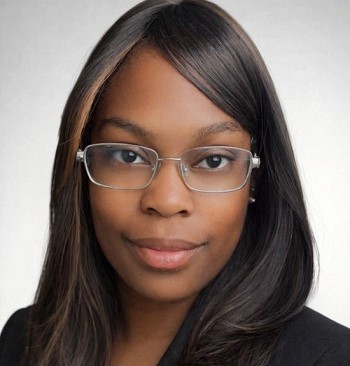
First Lady Katelyn Swinton
The recent recognition by the United Nations declaring the transatlantic slave trade as one of the gravest crimes against humanity marks a significant and necessary step toward global accountability.
For generations, this truth has lived not in textbooks, but in the bloodlines, memories, and lived realities of descendants across the world. What has now been formally acknowledged on a global stage is something many communities have always known, carried, and honoured—often without validation.
This moment is not simply about history. It is about truth.
For many of us, this is not a distant or abstract past. It is a living legacy that continues to shape identity, community, and the ongoing pursuit of dignity and justice. The impact of the transatlantic slave trade did not end—it evolved into systems, structures, and disparities that are still present today.
Recognition matters. But it is only the beginning.
In my conversations with colleagues, partners, and community leaders, I often emphasise the importance of telling the right history—especially to our children. This moment reflects exactly why that responsibility is so critical.
For centuries, history has been minimised, rewritten, or erased altogether. Entire narratives were silenced. Generations grew up without access to the full truth of who they are, where they come from, and what their ancestors endured and overcame.
We cannot allow that to continue. We must take a clear and intentional stand to ensure that history is not erased, not hidden, and not diluted for comfort. Our ancestors’ stories must be told in their fullness—with honesty, dignity, and respect.
Because when truth is withheld, identity is fractured.
And when identity is fractured, communities are weakened.
Restoring truth is not about division—it is about restoration.
It is about ensuring that future generations are grounded in knowledge, empowered by understanding, and connected to their lineage with clarity and pride. It is about creating space for healing that is rooted in acknowledgement, not avoidance.
This moment also calls us to move beyond symbolic recognition and into meaningful action. Justice requires more than words. It requires sustained dialogue, thoughtful policy, and a willingness to confront the enduring impacts of historical harm.
We must be willing to ask difficult questions. We must be willing to listen. And we must be willing to act.
As we reflect on this recognition, we honour those who endured unimaginable suffering, those who resisted, and those who carried forward culture, strength, and resilience against all odds. Their legacy is not defined by what was done to them, but by what they preserved, protected, and passed on.
The responsibility now rests with us.
To tell the truth. To protect it. And to ensure it is never erased again.
Because history is not just something we remember—
It is something we carry and something we must safeguard for those who come next.
Katelyn Swinton, First Lady — Hunnic Matinecock Tribal Nation | Director of Business Development, Herbert Norse Regalis | Royal Emissary | Host of CrownCast
She serve as First Lady of the Hunnic Matinecock Tribal Nation, contributing to cultural continuity, diplomatic engagement, and initiatives that support the nation’s long-term community, economic, and heritage priorities
About the Author